


Top 7 Mangaka Early Works to Buy Now: The One Piece & Naruto Investment Meta

Updated: Aug 28

Like the popular manga first prints guide we published a year ago (updated guide here), staying ahead of trends takes deep research and time. Collectible value, like antiques, is rooted in historical significance and the unique stories behind each piece. That’s exactly what we do best at Slab‑Z. As the manga grading market matures beyond "The Big Four" manga first prints (Dragon Ball, One Piece, Naruto, and Yu-Gi-Oh), the natural next step we think of for serious collectors is the shift toward the genesis points.
Take Akira Toriyama for example, while a first print Dragon Ball Vol. 1 is a blue-chip asset, Dr. Slump manga (1980) his first seriliazed work, the real "Hyper Growth" potential right now lies in the earliest published works.
Today, we are focusing exclusively on the foundational works of legendary mangaka. While most people buy the first volume of a series like Naruto or Slam Dunk, as collectors we look for the Award Selections. These books prove that a mangaka’s genius didn't start with their big hit; it started with a 40-page one-shot in a small-print anthology like the Hop Step or Tezura Award books.
Our list includes their debut award book appearances, and the very first time their first characters appeared in magazines and serialized manga format.
Disclosure: We may earn a commission from qualifying purchases made through our links.
Manga Investing 101: Magazines vs. Tankōbon
Before diving into the "Holy Grails," collectors must distinguish between the three primary formats of Japanese comic history:
Manga Magazines (Zasshi): These are the "True First Appearances" most of the times. Magazines like Weekly Shōnen Jump are phonebook-sized anthologies printed on cheap newsprint. Intended to be disposable, surviving high-grade copies (CGC/BGS 9.0+) are incredibly rare. They represent the absolute "Day Zero" of a character's existence at public scale.
Tankōbon (Individual Volumes): These are the "First Editions." Once a series gains traction, chapters are compiled into high-quality standalone books. For serious investors, the 1st Print of Volume 1 is the goal.
Award Books: The culture of artistic recognition by expert peers is deeply rooted in Japan, providing mangakas with vital public exposure through compilation books that feature top-awarded stories. These award books utilize a standard manga-volume format (tankōbon), yet they are incredibly difficult to locate today. Because they were produced with an estimated average print run of only 30,000 copies per book, they represent some of the rarest collectibles in the hobby.
1. Manga Theater (Akira Toriyama) – The Zero Point
First Publication: Weekly Shōnen Jump #52 (1978)
Release Date: November 21, 1978
While the world knows Dragon Ball, it all started with a "failed" pilot. Toriyama spent two years living in near-poverty, submitting over 500 pages of rejected work before Shueisha finally greenlit Manga Theater.
Originally published in WSJ in 1978 - the manga, in three volumes, will come much later on in 1983.
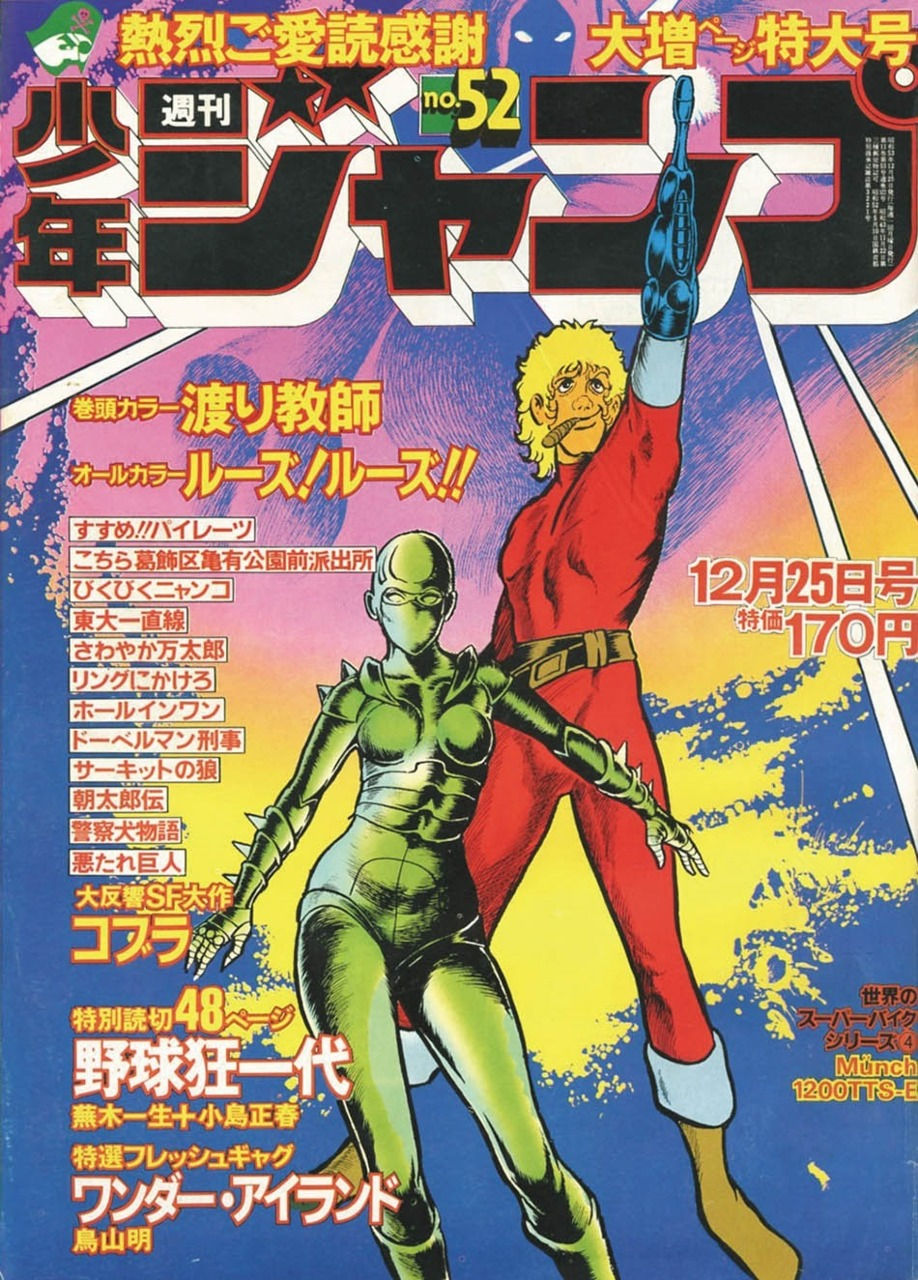

The Anecdote: Toriyama was famously indifferent to his own success, but he admitted that at the time, he was ready to quit. He only finished Wonder Island because he wanted the prize money to buy a moped. If he hadn't won that small check, the "God of Manga" would have likely returned to graphic design.
Product | Year | Format | Est. Print | Raw (Good) | Graded (9.0+)* |
WSJ #52 (1978) | 1978 | Magazine | ~2.1M | $425 - $650 | $2,800+ |
Manga Theater Vol. 1 | 1983 | Tankōbon | ~100k | $40 - $120 | $850* |
2. Wanted! (Eiichiro Oda) – Before the Straw Hats
First Publication: Tezuka Akatsuka Award Works Volume 11
Release Date: October 1992
As we mentioned, the early-works are not always published in magazines first. There is a common misconception that Oda’s debut was in Weekly Shōnen Jump #45 (1992). In reality, that issue only announced his win. The actual story, Wanted!, was first printed in the Tezuka Akatsuka Award Volume 11 anthology. Among all of the items in today's list, by estimated number of prints, this volume is the absolute grail that appears once in a lifetime. The first manga book showcasing Wanted! was published in 1998, compiles five short stories Oda wrote between 1992 and 1996, including Romance Dawn (Version 2, 1996)—which is why a prototype Luffy appears on the cover.
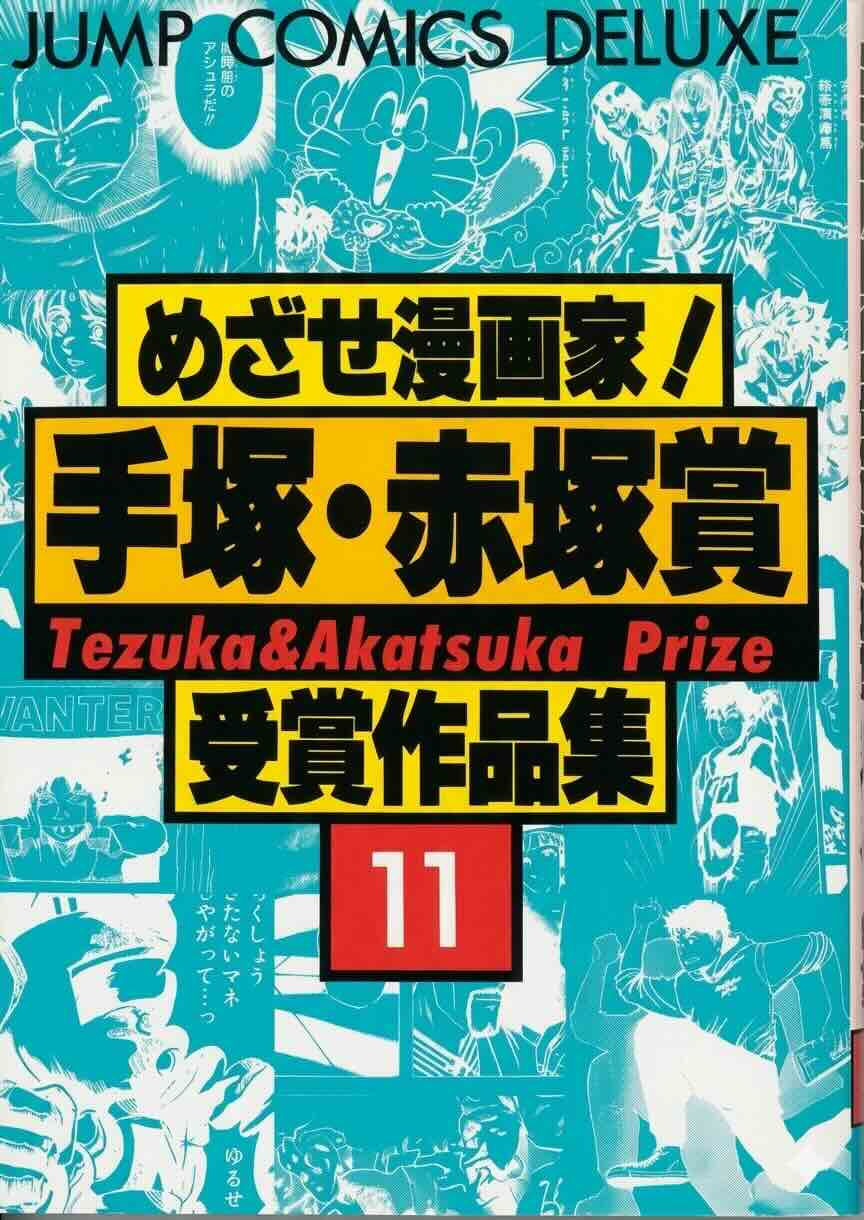
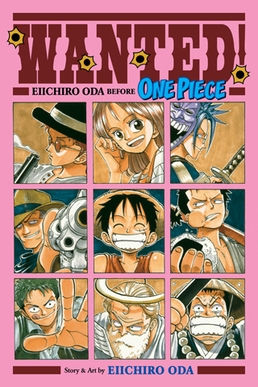
The Anecdote: Oda wrote this under the pseudonym "Tsukihimizu Kikondo." He was only 17 and was so obsessed with Western films that he drew the entire story with a "spaghetti western" vibe. Collectors seek this anthology because it captures Oda before he had an editor to "tame" his wild, early style.
Product | Year | Format | Est. Print | Raw (Good) | Graded (9.0+)* |
Tezuka Award Vol. 11 | 1992 | Anthology | ~50k | $180 - $350 | $2,200* |
Wanted! (1st Print) | 1998 | Tankōbon | ~150k | $35 - $110 | $1,200+ |
3. Purple Kaede (Takehiko Inoue) – The "Rookie" Blueprint
First Publication: Weekly Shōnen Jump # 34, 1988 Release Date: July 18, 1988
Before Slam Dunk changed the world, a 21-year-old Inoue won the 35th Tezuka Award with this one-shot. The WSJ # 34 features a protagonist named Rukawa Kaede (who would later become the legendary rival in Slam Dunk).
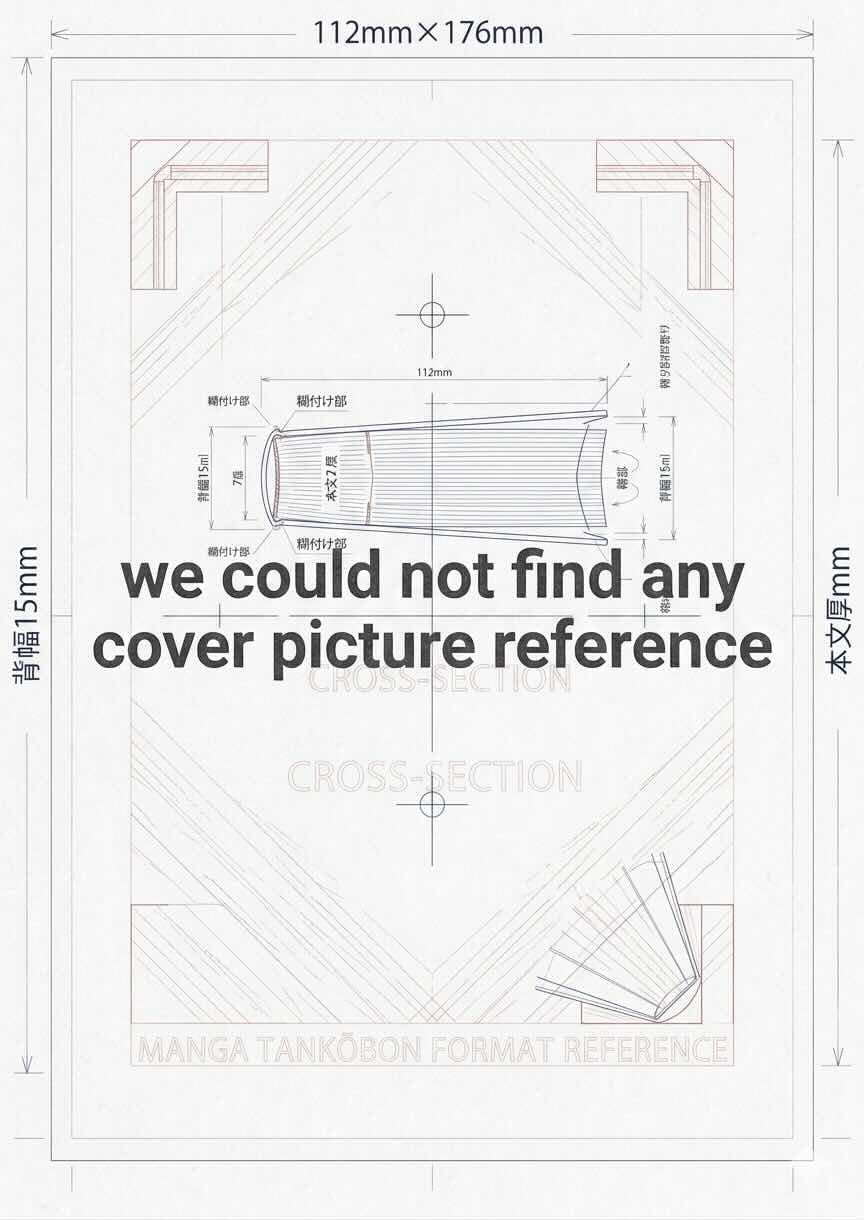
The award book was published later in 1988; however, we have been unable to locate a verified cover image or public sales record. This lack of data is a testament to its extreme scarcity in the current market.
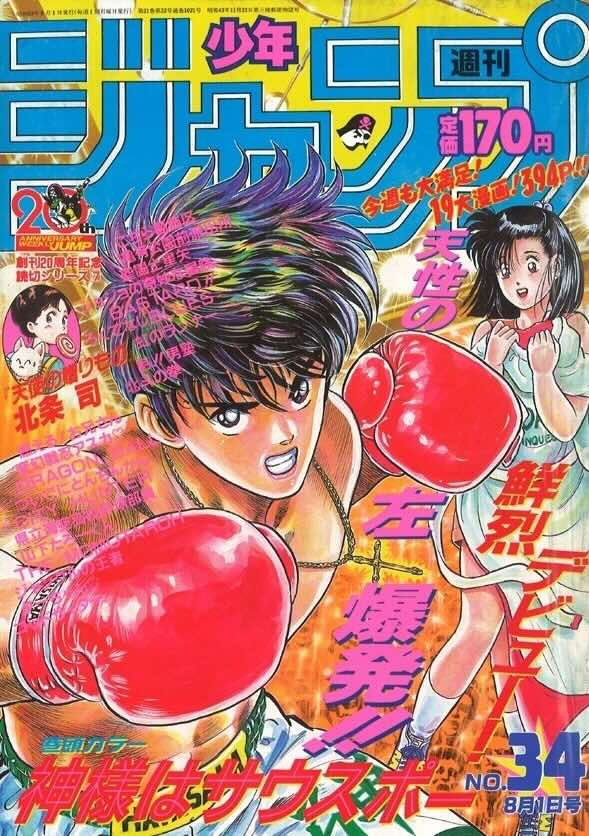
The Anecdote: At the time, Inoue was working as an assistant to Tsukasa Hojo (creator of City Hunter). When he submitted Purple Kaede, he was so nervous about his "realistic" anatomy style that he almost drew it in a more "cartoony" gag-manga way to fit the trends of the 80s. His mentor told him to stick to his realism. This one-shot is the only place you can see Inoue’s "unpolished" genius before he became a master of the craft.
Product | Year | Format | Est. Print | Raw (Good) | Graded (9.0+)* |
WSJ #34 (1988) | 1988 | Magazine | ~4.8M | $250 - $450 | $1,800+ |
Kaede Purple (1st) | 1988 | Award Book | ~25k | $400 - $600 | $2,500* |
4. Karakuri (Masashi Kishimoto) – The Naruto Blueprint
First Publication: Weekly Shōnen Jump # 18 (1996)
Release Date: April 15, 1996
Before the orange jumpsuit, there was Karakuri. This one-shot won the Hop Step Award and serves as the aesthetic blueprint for what would eventually become the world of Naruto. While Masaru-san claims the cover of this WSJ issue, Kishimoto is the "hidden" gem inside.
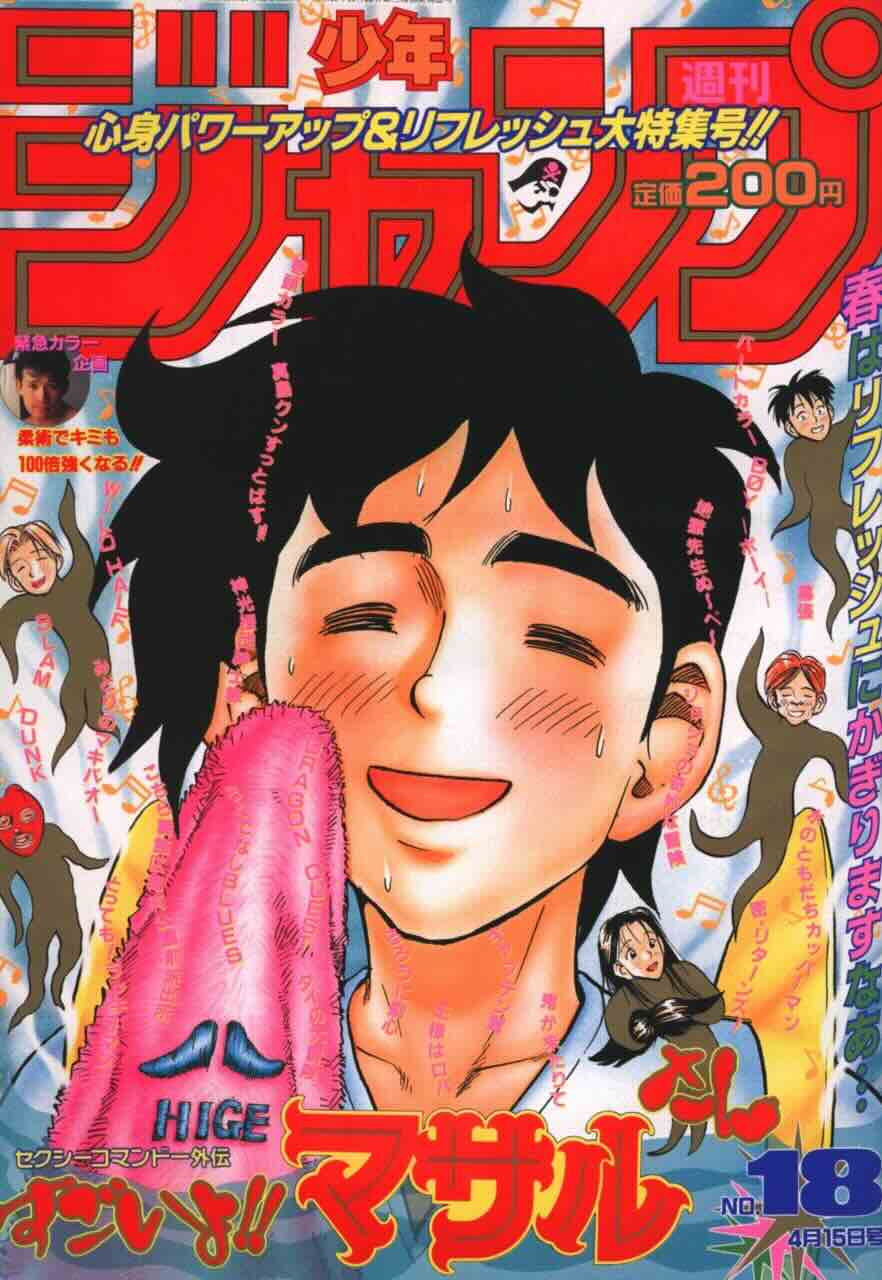
The Anecdote: Kishimoto was actually working as an assistant and studying film framing when this dropped. Because he wasn't yet a "star," almost no one saved this magazine, making a high-grade copy of WSJ # 18 (1996) a massive "Sleeper Hit" for investors.
Product | Year | Format | Est. Print | Raw (Good) | Graded (9.0+)* |
WSJ #18 (Karakuri) | 1996 | Magazine | ~5.8M | $60 - $140 | $1,400+ |
Hop Step Vol. 18 | 1996 | Award Book | ~30,000 | $350 - $600* | $350 - $600* |
5. Buttobi Straight (Yoshihiro Togashi) – The "Genesis" One-Shot
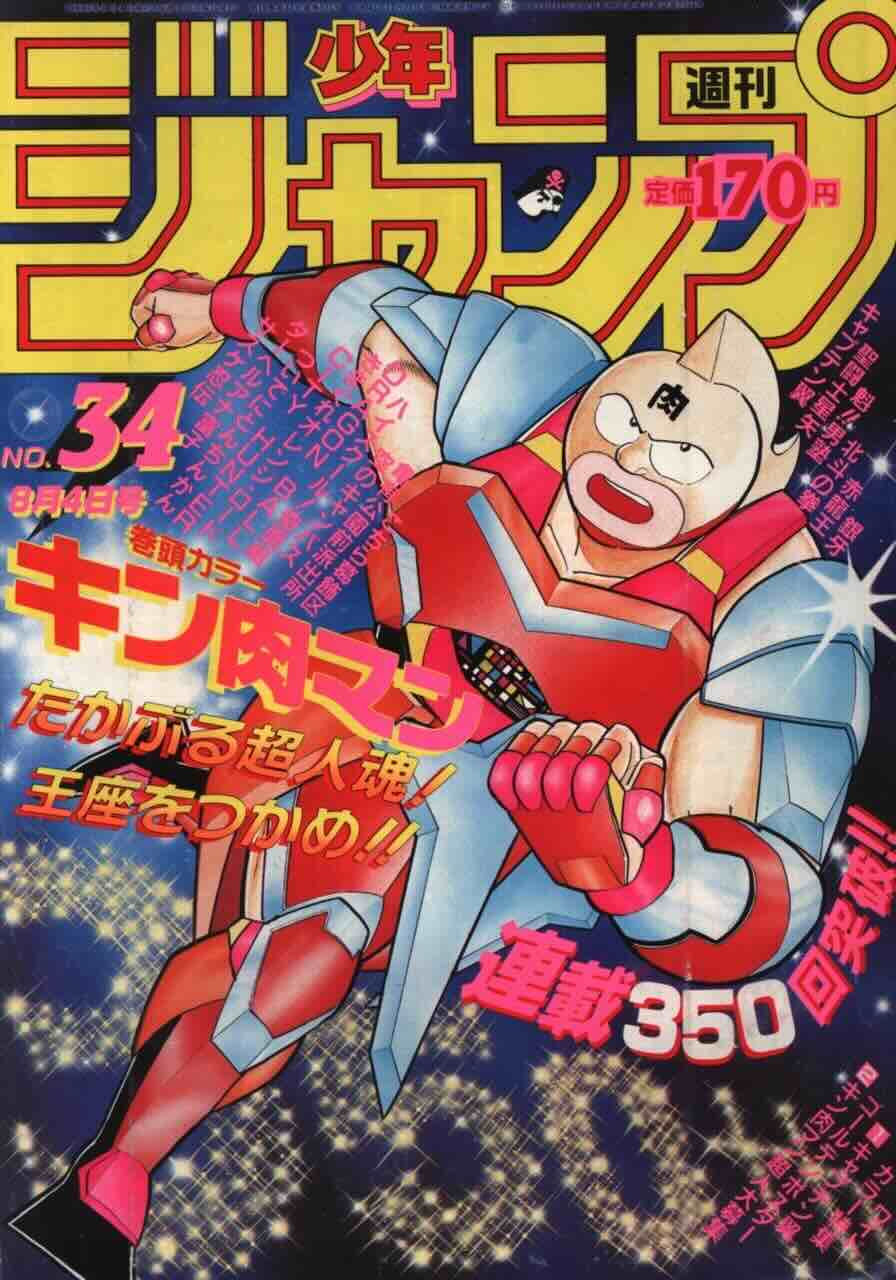
First Publication: Weekly Shōnen Jump #34 (1986)
Release Date: August 4, 1986
Before the supernatural battles of YuYu Hakusho or the complex systems of Hunter x Hunter, Togashi debuted with Buttobi Straight. This story won the Hop Step Award and marked the official entry of one of manga’s most brilliant (and elusive) minds into the industry.
While WSJ #14 (1998) is the most liquid asset because it starts Hunter x Hunter, the true "Genesis" for a Togashi completionist is the 1986 magazine debut or the 1987 Award Book. These are significantly rarer as they pre-date the global manga boom.
The Anecdote: Togashi was just 20 years old and still in college when he won the prize for Buttobi Straight. He has often been described as a "genius of subversion," and this debut was the first evidence that Shueisha had found a creator who would eventually have the leverage to dictate his own terms of publication.
Product | Year | Format | Est. Print | Raw (Good/VF) | Graded (9.0+)* |
WSJ # 34 (1986) | 1986 | Magazine | ~4.3M | $120 - $250* | $1,800+* |
Hop Step Vol. 1 | 1987 | Award Book | ~30,000 | $150 - $300* | $1,200+* |
6. Ultra Unholy Hearted Machine (Tite Kubo) – The Bleach Architect
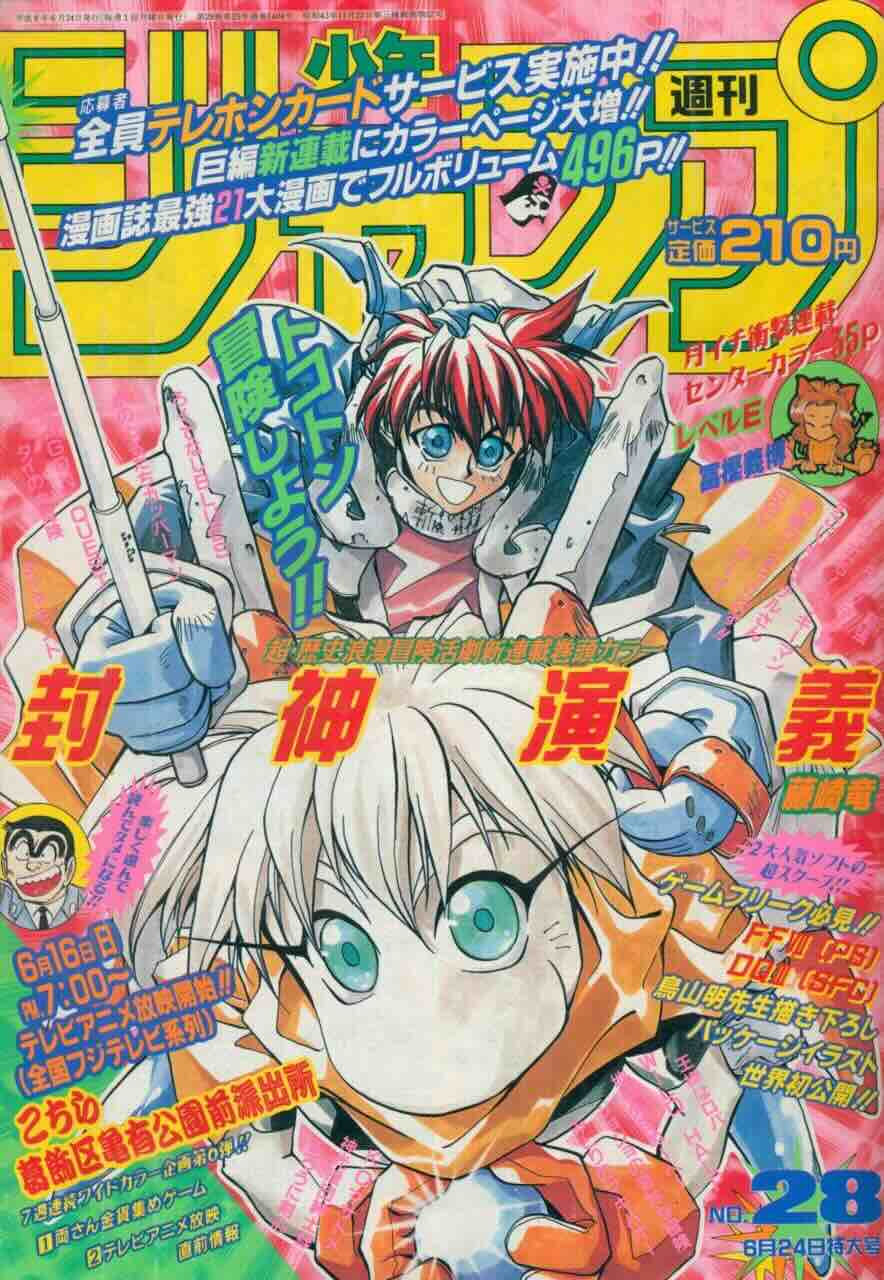
First Publication: Weekly Shonen Jump # 28 (1996)
Release Date: June 10, 1996
Long before the spiritual society of Bleach, Tite Kubo debuted with Ultra Unholy Hearted Machine. Published under his real name, Noriaki Kubo, this one-shot established his signature flair for high-concept character design and sharp, angular dialogue. While your previous notes mentioned Akamaru Jump, that came after this main-line magazine appearance.
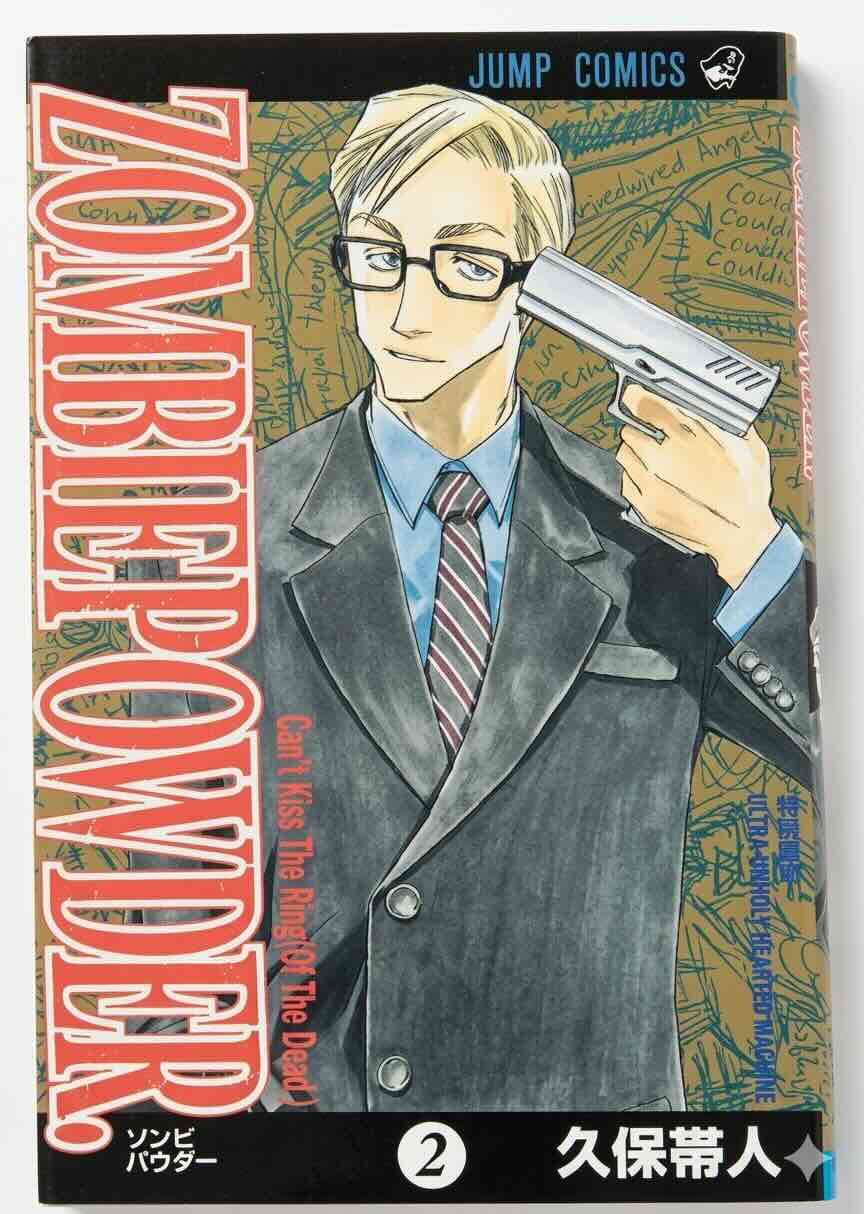
The Anecdote: Kubo’s debut actually polled 6th in the reader surveys, finishing just one spot behind another newcomer named Eiichiro Oda (Romance Dawn). This issue represents the "Class of '96," the most profitable rookie class in Shonen history. Because Kubo changed his pen name to "Tite" later, many collectors overlook this 1996 issue entirely.
Product | Year | Format | Est. Print | Raw (Good) | Graded (9.0+)* |
WSJ # 28 (1996) | 1996 | Magazine | ~5.8M | $85 - $160 | $1,200+* |
Zombiepowder Vol. 2 | 2000 | Tankōbon | ~100k | $35 - $65 | $450+* |
7. Poker Under Arms (Hirohiko Araki) – The Bizarre Origin
First Publication: Weekly Shōnen Jump # 1 (1981)
Release Date: December 1, 1980
Before the Joestar bloodline, Araki debuted under the name Toshiyuki Araki with Poker Under Arms. This story won the runner-up prize at the 20th Tezuka Awards. While modern fans know him for high-fashion poses and "Stands," this debut is a gritty, tactical Western. It is the "Holy Grail" of 80s Jump because Araki is one of the few artists from that era whose market value continues to climb as he remains active and influential in 2026.
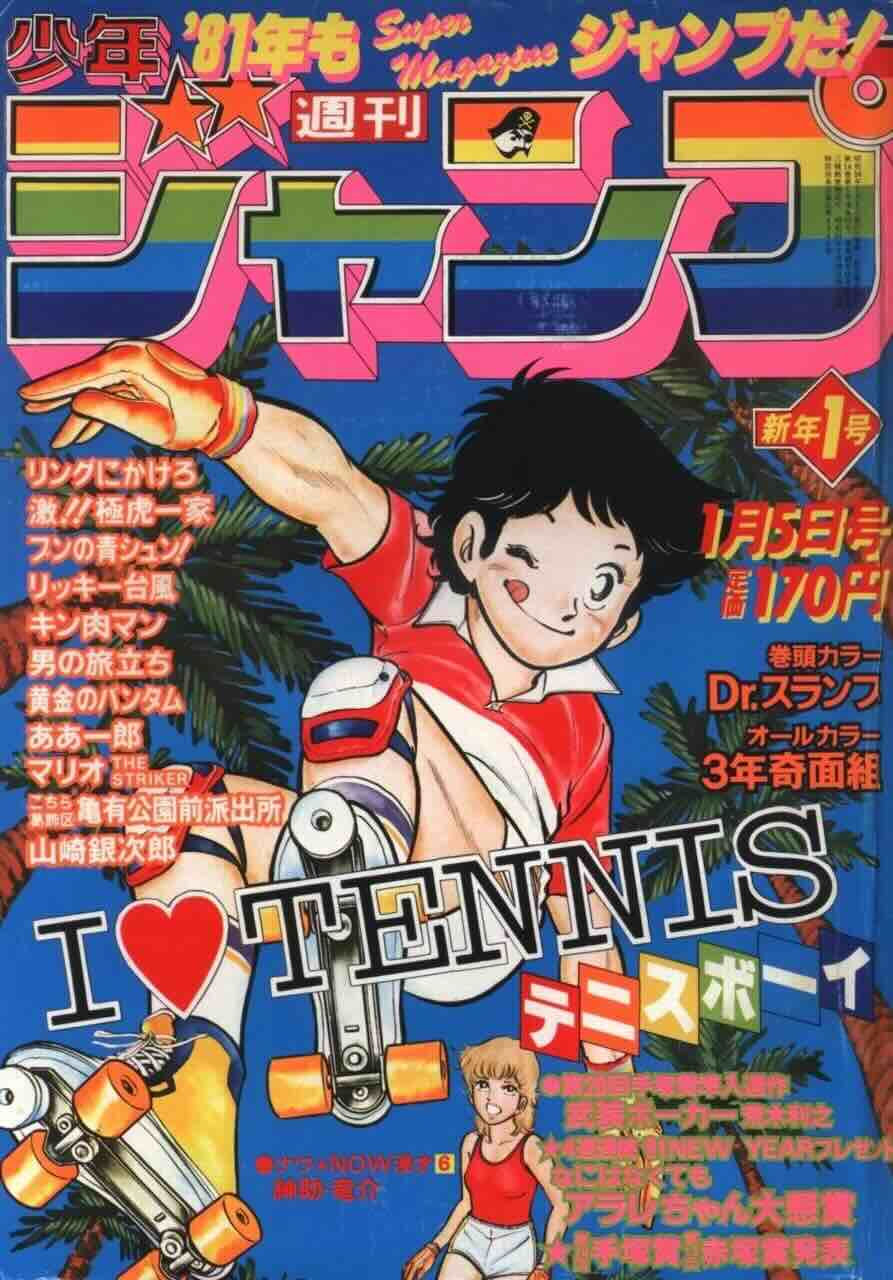
The Anecdote: When Araki met Osamu Tezuka (the "God of Manga") at the award ceremony, Tezuka famously told him that his work was "very interesting" but "a bit strange." Araki took that as the ultimate compliment and leaned into the "strange" for the next 40 years. This 1981 issue is the literal birth of "Bizarre."
Product | Year | Format | Est. Print | Raw (Good/VF) | Graded (9.0+)* |
WSJ # 1 (1981) | 1980 | Magazine | ~3.1M | $130 - 350 | $2,800+* |
Tezuka Sel. Vol. 2 | 1982 | Award Book | ~30,000 | $450 - $800* | $2,500+* |
* Asterisk Definition: Prices marked with an asterisk are Slab-Z internal estimations based on historical trend analysis and current active listings. There are currently no "Sold" records on eBay for these specific graded variants in a 9.0+ tier within the last 12 months due to their extreme rarity.
The Investor’s Final Word
Hunting for these "Origin Point" grails is the ultimate test for a serious collector. Whether it’s finding a Hop Step Award book that was printed in tiny quantities or a Weekly Shōnen Jump issue where a legend first appeared as an uncredited "nobody," these items are the literal blueprints of modern pop culture. In a market saturated with reprinted volumes, these original physical artifacts are the only assets that carry the true weight of manga history.
Preservation & Archiving Tips
If you are lucky enough to acquire one of these "Ghost Grails," your first job is to stop the clock. Manga paper is notoriously acidic and fragile.
The Non-PVC Rule: Never use standard plastic bags. Use Mylar (Archival Polyester) or Non-PVC, Acid-Free sleeves. Standard PVC bags will "gas off" over time, causing the ink to lift and the paper to yellow even faster.
Kill the Light: UV rays are the enemy of 80s and 90s ink. Store your issues in a cool, dry, and dark environment. Even indirect sunlight will fade the vibrant red and orange pigments used on classic Jump covers.
Dehumidification: Aim for a consistent humidity level (around 40–50%). Excessive moisture leads to "waviness" (cockling) and the dreaded smell of mold, which can destroy the value of a high-grade magazine.
Pre-Grading: What to Look For
Before you spend the money on CGC or CBCS grading, do a self-assessment of the "Big Three" flaws:
The Spine: Look for "spine stresses" (tiny white cracks along the fold). On bulky magazines like Jump, the spine is the first thing to fail. Check if the staples are pulling through or showing signs of rust.
The Edges: "Chipping" or "feathering" along the paper edges is common. A sharp, clean edge is the difference between an 8.0 and a 9.4.
Page Quality: Flip to a middle page. Is it "Cream," "Off-White," or "White"? In the world of high-end manga investing, White Pages command a massive premium because of the high acid content in the original paper.
Happy hunting. Remember: In the world of Slab-Z, we don't just collect stories; we preserve the moments those stories were born.
Subscribe to the Slab-Z Weekly Newsletter
Stay ahead of the Manga, TCG & sports card market with graded trends, rookie investment alerts, and exclusive industry insights—delivered straight to your inbox. Don’t miss updates that could turn your collection into gold.
Why wait? Knowledge is the ultimate gem mint. 🔍✨






Comments