


Collectibles crackdown in Asia: custom taxes, blind boxes and money‑laundering risks

Updated: Apr 23
Disclosure: We may earn a commission from qualifying purchases made through our links.

From Pokémon cards and Labubu figurines to NFTs and everything in between, Asia’s collectibles boom is far more regulated than most people realize.
From price manipulation controls to strengthened anti-money laundering (AML) measures, Asia is not a place where you can freely trade high-value collectibles without prior legal checks.
Singapore, which has been making headlines recently, is moving to tighten oversight of the fast-growing collectibles market as high-value items like Pokémon trading cards gain traction as alternative investments. Regulators are increasingly concerned about tax evasion, money laundering (ML), and gambling-like behavior — a trend reflected across major Asian markets.
GST and customs taxes clampdown on high-value collectibles
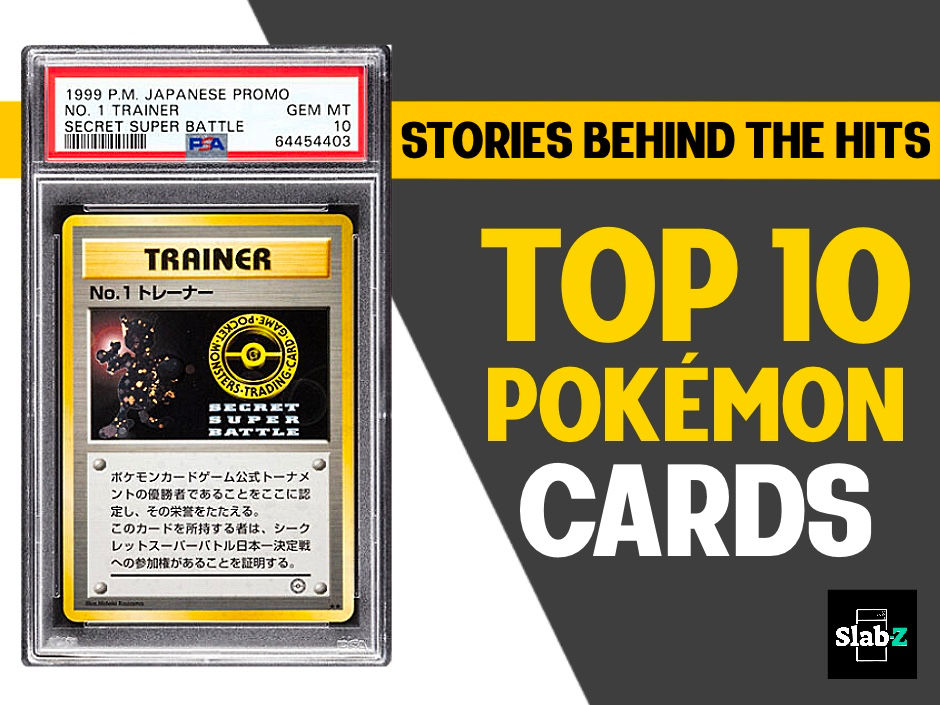
Recent enforcement actions underscore that collectibles are treated as taxable goods, not souvenirs. In October 2025, Singapore Customs opened an investigation into a 25-year-old man who entered Changi Airport with more than S$30,000 worth of assorted Pokémon trading cards but declared “nothing to declare” at customs.
ICA 's screening of baggage ICA found $30K worth of undeclared Pokemon collectibles
Immigration and Checkpoints Authority (ICA) officers flagged his baggage during screening and discovered the large cache of cards, triggering a referral to Singapore Customs.
This case highlights how Singapore is applying its goods and services tax (GST) regime to collectibles:
- All goods brought into Singapore are subject to 9% GST.
- Travellers get GST import relief only up to:
- S$500 for trips of 48 hours or more
- S$100 for trips under 48 hours
- Any value above these thresholds is taxable and must be declared at the Red Channel or at the Singapore Customs Tax Payment Office.
- Work permit, employment pass, student pass, dependent pass and other long-term pass holders, as well as crew, are not entitled to GST import relief.
Large quantities of high-value cards, particularly when intended for resale, are treated as commercial imports. Failure to make a formal declaration and pay duty/GST can lead to investigation, penalties, and possible seizure of goods.
The stricter stance comes as Pokémon cards and similar collectibles have surged in popularity as speculative assets. Rare Pokémon cards have reportedly returned over 3,800% since 2004, far outpacing major stock indices, drawing in young investors looking for outsized gains and raising the stakes for customs enforcement.
Regulating trading card packs as potential gambling inducements
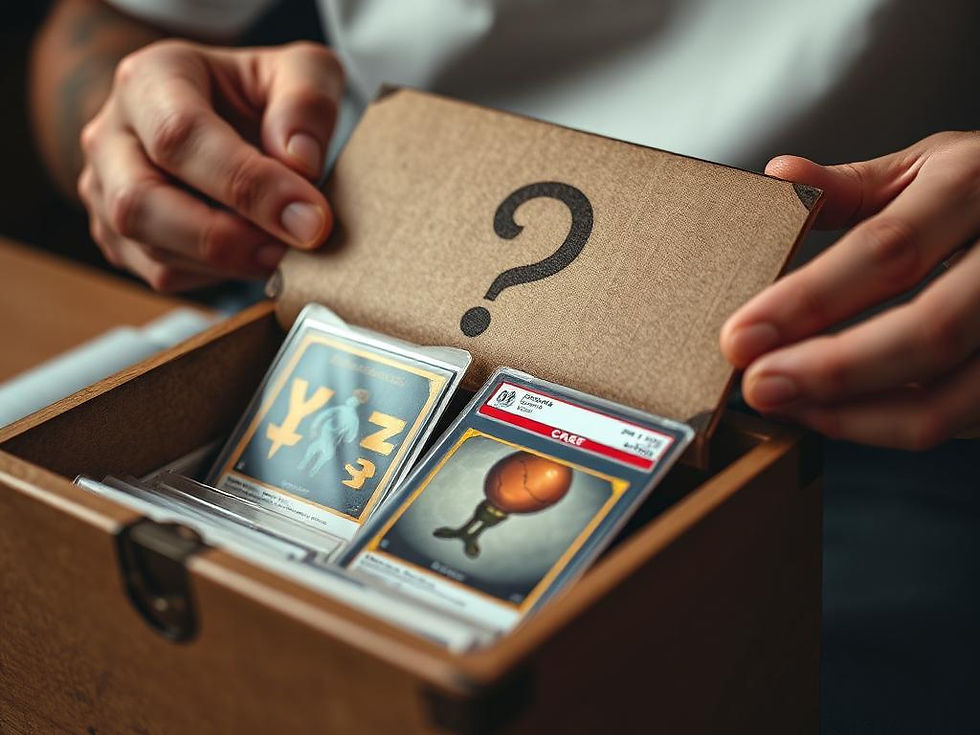
Alongside tax enforcement, Singapore is preparing to regulate how trading cards are sold domestically, especially when packaged in “blind box” formats that resemble games of chance.
Blind boxes are sealed packages—common in trading cards, toys and figurines—where buyers do not know in advance which specific item they will receive. The Ministry of Home Affairs (MHA) and the Gambling Regulatory Authority (GRA) have announced plans to introduce regulations to govern the sale of blind boxes, including trading card packs, to mitigate the risk of gambling inducement.
Key points of the upcoming framework:
- Regulations are being drafted under the existing Gambling Control Act, which already governs lower-risk gambling services such as lucky draws through a class licence regime.
- MHA and GRA intend to set rules on how blind boxes and trading card packs may be offered, and will announce implementation details and timelines in due course.
- Social service agencies have warned that normalising blind box purchases and other chance-based mechanisms can be particularly harmful for children and youths, where the thrill of randomness may:
- Encourage compulsive buying behaviour
- Blur the line between gaming and gambling
- Contribute to anxiety, depression or other harm when spending and expectations spiral
Together, the GST enforcement push and the impending gambling-risk regulations show Singapore’s broader effort to keep a tight grip on a collectibles market that now straddles investment, gaming and entertainment. Authorities are signalling that both the financial and behavioural risks of collectibles will be policed: from tax compliance at the border to how products are marketed and sold in shops and online.
KYC/AML tightening around collectibles in other major Asian markets
Below are concise reference points on how other key Asian jurisdictions are approaching KYC/AML issues around collectibles, high-value goods, and related trading:
Hong Kong
- Regulatory focus: High-value dealers, art and luxury goods, and virtual asset trading.
- Key measures:
- Anti-Money Laundering and Counter-Terrorist Financing Ordinance (AMLO) expanded in recent years to cover dealers in precious metals and stones; discussions and guidance have increasingly referenced art and collectibles as higher-risk sectors.
- Virtual asset service providers (VASPs) require licensing, customer due diligence (CDD), and ongoing monitoring; some platforms that trade tokenised collectibles and NFTs fall into this perimeter depending on structure.
- The Joint Financial Intelligence Unit (JFIU) issues advisories highlighting risks from trade-based money laundering using luxury goods, watches and collectibles.
- Practical impact: Dealers and platforms handling high-value cards, art or similar items are under growing pressure to adopt bank-like KYC, source-of-funds checks, and suspicious transaction reporting when values are high or patterns look unusual.
In Hong Kong, banks closely monitor large or unusual transfers between private accounts, especially when they appear linked to commercial activity. If a transaction triggers their internal AML (anti‑money laundering) thresholds, the bank will typically seek additional information and documentation and, where appropriate, file a Suspicious Transaction Report (STR) with the authorities.
In some cases, funds may be temporarily held or the account’s activity restricted while checks are ongoing. If the transaction or account is ultimately found to breach Hong Kong’s AML laws or other regulations, penalties can include account closure, substantial fines, and, in serious cases such as confirmed money laundering, criminal prosecution and possible imprisonment.
Mainland China
- Regulatory focus: Curbing speculative bubbles (including blind boxes), tightening e-commerce and payment controls, and monitoring cross-border flows.
- Key measures and trends:
- Crackdowns on speculative blind box sales in toys and collectibles; regulators have issued rules limiting use of blind boxes, including requirements on disclosure, sale conditions, and protection of minors.
- Strong AML regime centred on the People’s Bank of China (PBOC): real-name registration for online payments, stricter monitoring of large or unusual transactions on e-commerce and social platforms where collectibles are actively traded.
- Customs and foreign exchange controls watch for under-/over-invoicing of high-value physical items (watches, luxury goods, art, collectibles) as possible trade-based money-laundering channels.
- Practical impact: Platforms and merchants selling collectibles online are expected to comply with real-name and transaction-monitoring requirements; authorities can intervene where speculative or high-risk patterns resemble gambling or illegal fundraising.
Japan
- Regulatory focus: High-value dealers and crypto/online platforms; gacha/lootbox mechanics mostly handled as consumer protection and gambling issues, with AML layered on financial intermediaries.
- Key measures:
- Act on Prevention of Transfer of Criminal Proceeds imposes KYC and reporting obligations on “specified business operators”, including financial institutions and certain high-value dealers.
- FSA-licensed crypto-asset exchange service providers must implement robust KYC/AML and Travel Rule compliance; platforms dealing in tokenised collectibles or NFTs may fall under this if structured as crypto-asset trading.
- Gacha and lootbox systems (including those tied to cards and digital collectibles) are subject to guidance from consumer and gaming regulators; while not pure AML measures, they intersect with risk controls around minors and problematic spending.
- Practical impact: Brick-and-mortar card and figure shops are starting to adopt stronger ID checks for very high-value deals; online platforms linked to payments or crypto must meet formal KYC/AML standards.
South Korea
- Regulatory focus: Strong AML rules for virtual assets and high-risk financial activity, with growing attention to speculative assets, gaming items, and cross-border payments.
- Key measures:
- Act on Reporting and Use of Certain Financial Transaction Information requires virtual asset service providers (VASPs) to register, perform KYC, and report suspicious transactions. NFT-style and game-item platforms can be captured if they resemble virtual asset markets.
- Financial Services Commission and KoFIU have issued several warnings and guidance documents on using virtual assets, online games and digital items for money laundering, especially cross-border.
- Traditional AML obligations apply to high-value dealers and auction houses; this increasingly covers art and premium collectibles as investment assets.
- Practical impact: Platforms dealing in digital or tokenised collectibles are pushed into full KYC/AML; high-value physical card or toy dealers face stronger expectations for transaction monitoring, particularly when linked to crypto or foreign payment rails.
Conclusion
Foreign individual collectors, buyers, or sellers bringing high‑value cards into Asia should:
Research local regulations in each jurisdiction (e.g., Singapore, Hong Kong, Japan) on collectibles, customs, and capital controls.
Document provenance and value of your cards (invoices, grading certificates, past auction results) to address AML and tax questions.
Use reputable intermediaries such as licensed auction houses, marketplaces, or dealers who already comply with KYC/AML rules.
Be prepared for KYC checks (ID, source‑of‑funds/source‑of‑wealth) before large transactions or consignments.
Obtain tax and legal advice locally, especially if you plan frequent trading, large sales, or cross‑border shipments.
Subscribe to the Slab-Z Weekly Newsletter
Stay ahead of the TCG & sports card market with graded card trends, rookie investment alerts, and exclusive industry insights—delivered straight to your inbox. Don’t miss updates that could turn your collection into gold.
Why wait? Knowledge is the ultimate gem mint. 🔍✨






Comments